Clearing out the home of someone you love is one of the hardest jobs a family ever faces. You are not simply moving furniture and filling boxes; you are handling a lifetime of memories, decisions made long ago, and belongings that once meant everything to a person who mattered. Here in Lebanon and across Wilson County, we have helped many families through this exact moment, and we want you to know something before you begin: there is no wrong pace, and you do not have to do it all at once. This checklist is meant to give you structure when everything feels overwhelming, so that the practical work gets done without rushing past the grief that deserves its own room.
Take a breath. Read through the whole plan first, then start wherever you feel steady. An estate cleanout is a marathon, not a sprint, and treating it that way protects both your heart and your back.
Before You Move a Single Box: Secure Documents and Valuables
The first rule of any estate cleanout is simple: nothing important leaves the house until the important things have been found. Grief has a way of scattering attention, and it is painfully easy to toss a shoebox that turns out to hold savings bonds, a life insurance policy, or a handwritten will. Before you sort anything for donation or disposal, walk the home slowly and gather the documents and valuables that carry legal or financial weight.
- Wills, trusts, and any estate-planning paperwork, often kept in a desk, filing cabinet, or fireproof box
- Deeds, vehicle titles, and mortgage papers
- Bank statements, checkbooks, and safe deposit box keys
- Life insurance policies, retirement account statements, and pension records
- Social Security card, birth certificate, marriage and military records
- Tax returns from at least the past several years
- Jewelry, coins, cash tucked into books or drawers, and small heirlooms
- Passwords, account logins, and any list of digital assets
People of an older generation often hid cash and valuables in unexpected places: inside coat pockets, taped under drawers, folded into the pages of a family Bible, or sealed in kitchen canisters. Check these spots before anything gets bagged. A slow, patient first pass through the whole house, with a box labeled "keep and review," prevents heartbreaking mistakes later.
Understand the Executor's Role and the Legal Timeline
In Tennessee, the person legally responsible for settling the estate is usually the executor named in the will, or an administrator appointed by the Wilson County probate court if there is no will. If that person is you, the belongings in the home are not simply yours to distribute; they are part of the estate until the process is settled. If you are helping someone else who holds that role, coordinate every major decision with them.
This matters for pacing. Many families feel pressure to empty the house fast, especially if it is going on the market or a lease is ending. But selling or discarding assets before the estate is properly inventoried can create legal and family friction. Talk with the executor, and if the estate is complex, an estate attorney, before large items leave. A good rule: photograph rooms before you disturb them, keep a running inventory of anything of value, and get agreement among heirs in writing when possible. Clear communication now prevents painful disputes later.
The Four-Pile Method: Keep, Sell, Donate, Toss
Once documents are secured and the executor is aligned, the real sorting begins. The most reliable approach is to work one room at a time and sort every item into one of four categories. Trying to judge the whole house at once is what makes people freeze. Judging one drawer is manageable.
- Keep: Items family members want, sentimental pieces, and anything with genuine meaning. Distribute these thoughtfully; a shared spreadsheet or a simple round-robin among heirs keeps it fair.
- Sell: Furniture, antiques, collectibles, tools, jewelry, and quality household goods with resale value. These may go through an estate sale, consignment, or online listings.
- Donate: Usable clothing, housewares, books, and furniture that will not sell but can help someone. Middle Tennessee has many charities, church closets, and thrift organizations that will take gently used goods, and some offer pickup.
- Toss: Broken items, worn-out furniture, expired food and medications, damaged mattresses, and the sheer volume of everyday clutter that accumulates over decades.
Use colored stickers or painter's tape to mark items so helpers know which pile each belongs to. Set the sentimental pieces aside in their own protected area early; you do not want a treasured quilt ending up in the donate box during a tired afternoon. For a deeper room-by-room approach that pairs well with this method, our room-by-room home cleanout checklist walks through each space in order.
Working With Estate Sale Professionals
If the home holds significant furniture, collectibles, or antiques, a professional estate sale company can turn belongings into value for the estate while sparing the family the work of pricing and selling. These companies typically take a percentage of sales, stage the home, price items, run the sale over a weekend, and sometimes handle what does not sell. It is worth interviewing more than one and asking how they price, what their commission is, and what happens to leftover goods.
Timing tip: schedule the estate sale before the big cleanout, not after. A common and costly mistake is hauling away boxes of "junk" that a professional would have sold. Let the estate sale team, or an appraiser, look at the contents first. Whatever remains after the sale, the leftover odds and ends and the true trash, is exactly what a dumpster is built to handle.
What Size Dumpster Do You Need for an Estate Cleanout?
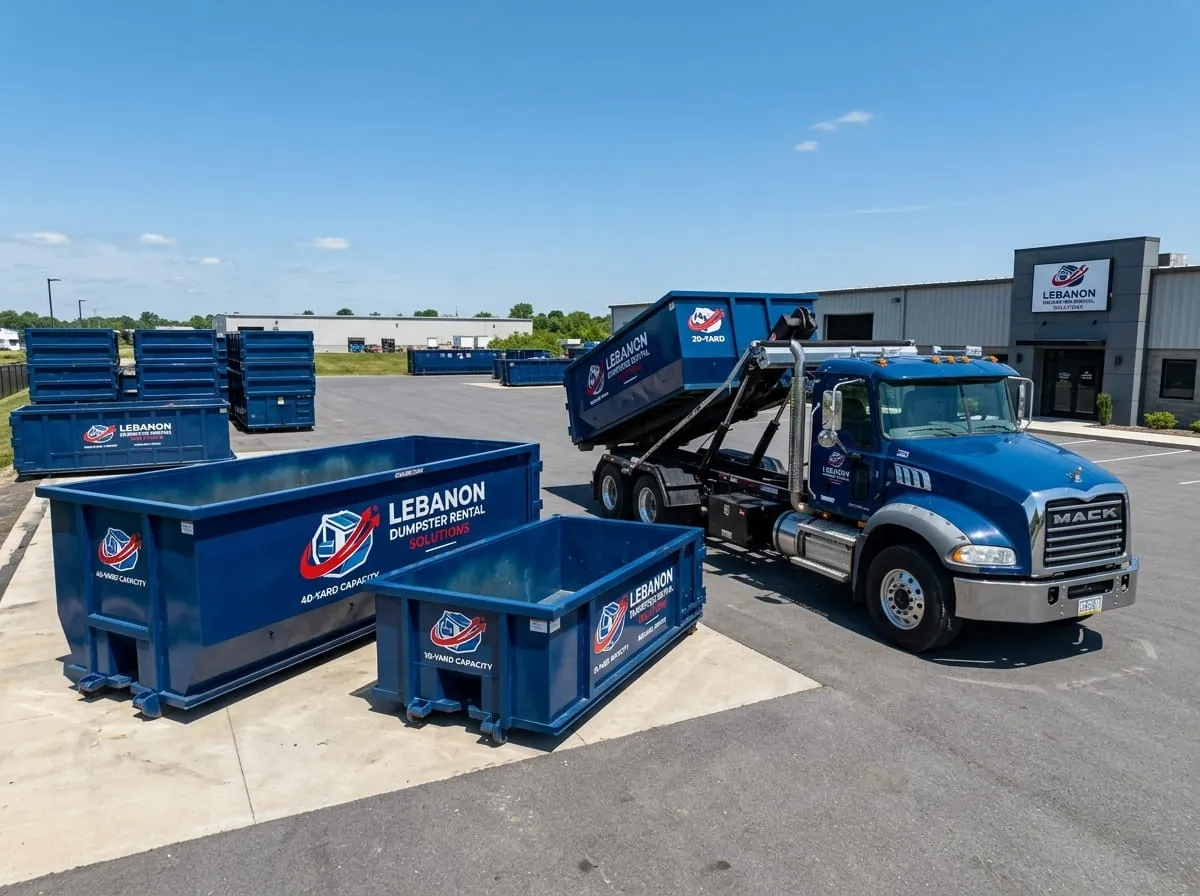
Estate cleanouts generate more waste than most people expect, because you are clearing an entire lifetime rather than a single project. Decades of accumulation, from garage and attic to basement and closets, adds up quickly. For the majority of whole-home estate cleanouts, a 20 yard dumpster is the practical sweet spot. It holds the equivalent of several pickup truck loads, has walls low enough to load furniture and bagged goods without straining, and fits on a standard driveway without dominating the whole yard.
- Smaller condo or apartment, or a home that has already been largely cleared: a 10 to 15 yard container may be enough.
- Typical single-family estate with a garage, attic, and full rooms: a 20 yard dumpster handles most of these comfortably.
- Large home, heavy furniture, or a true multi-decade accumulation: consider a 30 yard container, or plan a second haul.
If you are unsure, it is usually smarter to size up slightly than to fill a container and be stuck with a pile and no room. You can compare options on our 20 yard dumpster page, and our estate cleanout service is set up specifically to support families through this process. When you call, describe the home, and we will help you choose a size honestly rather than overselling you.
Hauling Logistics: Placement, Timelines, and What Cannot Go In
A little planning around the dumpster itself saves a lot of frustration mid-cleanout. Think through these details before delivery day.
- Placement: A driveway is ideal. If the container must sit on the street in Lebanon or a neighboring Wilson County town, check whether a permit is required. We can advise on this when you book.
- Rental window: Estate cleanouts rarely finish in a weekend. Ask about the rental period up front so you are not paying rushed extension fees. Many families keep a container for one to two weeks and load in stages as energy allows.
- Prohibited items: Certain things cannot go in a dumpster, including paint, motor oil, chemicals, tires, batteries, and often mattresses or appliances containing refrigerant. Set these aside for proper disposal. Old medications should be taken to a pharmacy take-back program, not the trash.
- Loading strategy: Break down furniture, load heavy and flat items first, and fill gaps with bagged goods to use the space efficiently.
If lifting and hauling is more than your family can take on, especially at a distance or during grief, a full-service option may be the kinder choice. Our junk removal service can send a crew to carry items out so you do not have to. Many families use a combination: a dumpster for the steady sorting work, plus a crew for the heavy pieces on a single day.
Give Yourself Permission to Pace It
Finally, the most important item on any estate cleanout checklist is not on a to-do list at all. Grief does not run on a schedule, and a home full of memories will surface feelings you did not expect. It is completely normal to open a closet and have to stop for the day. Build in breaks. Bring family together for the sentimental rooms so no one carries it alone. Take photos of belongings you cannot keep but do not want to forget. Celebrate the small progress of one finished room rather than measuring against the whole house.
You are doing something loving and difficult at the same time, and doing it well means being gentle with yourself along the way. When the practical side, the container, the hauling, the timing, feels like one weight too many, that is exactly where we can lift some of the load so you can focus on your family.
We Are Here to Help, When You Are Ready
Lebanon Dumpster Rental Solutions has walked alongside many Wilson County families through estate cleanouts, and we understand this is more than a job to schedule. We will help you choose the right container, work around your timeline, and handle the logistics with respect and patience. Learn more about our team or reach out whenever you are ready to talk it through. Call us at (615) 257-9262 and we will help you take the next step, gently and without pressure.

Founder, Lebanon Dumpster Rental Solutions — sharing straight advice from more than 15 years of local hauling experience.
Frequently Asked Questions
What should I do first during an estate cleanout?
Before anything is sorted or discarded, secure important documents and valuables. Search the home slowly for wills, deeds, titles, bank and insurance papers, jewelry, and hidden cash, which older relatives often tuck into books, drawers, or coat pockets. Only after these are safely set aside should you begin sorting the rest of the house.
How do I know what to keep, sell, donate, or throw away?
Work one room at a time and place each item into one of four piles: keep for family and sentimental value, sell through an estate sale or consignment, donate to a local Middle Tennessee charity, or toss if broken or unusable. Use colored stickers to mark items, and set treasured pieces aside early so nothing meaningful is lost in a tired moment.
What size dumpster do I need for an estate cleanout?
For most whole-home estate cleanouts, a 20 yard dumpster is the practical choice. It holds several truckloads and has walls low enough to load furniture easily. Smaller or already-cleared homes may only need a 10 to 15 yard container, while large homes with heavy accumulation may call for a 30 yard dumpster or a second haul.
Should I hold an estate sale before or after the cleanout?
Schedule the estate sale before the big cleanout. A common and costly mistake is hauling away items a professional would have sold. Let an estate sale company or appraiser review the contents first, then use a dumpster for whatever remains after the sale, which is typically leftover odds and ends and true trash.
What cannot go into the dumpster during a cleanout?
Certain items are prohibited, including paint, motor oil, chemicals, tires, batteries, and often mattresses or appliances with refrigerant. Old medications should go to a pharmacy take-back program rather than the trash. When you book with us, we will explain exactly what can and cannot go in the container so disposal stays safe and compliant.